
Water Treatment and Plumbing O-Rings
FDA, NSF 61 and WRAS certified EPDM seals for drinking water, wastewater and plumbing systems.
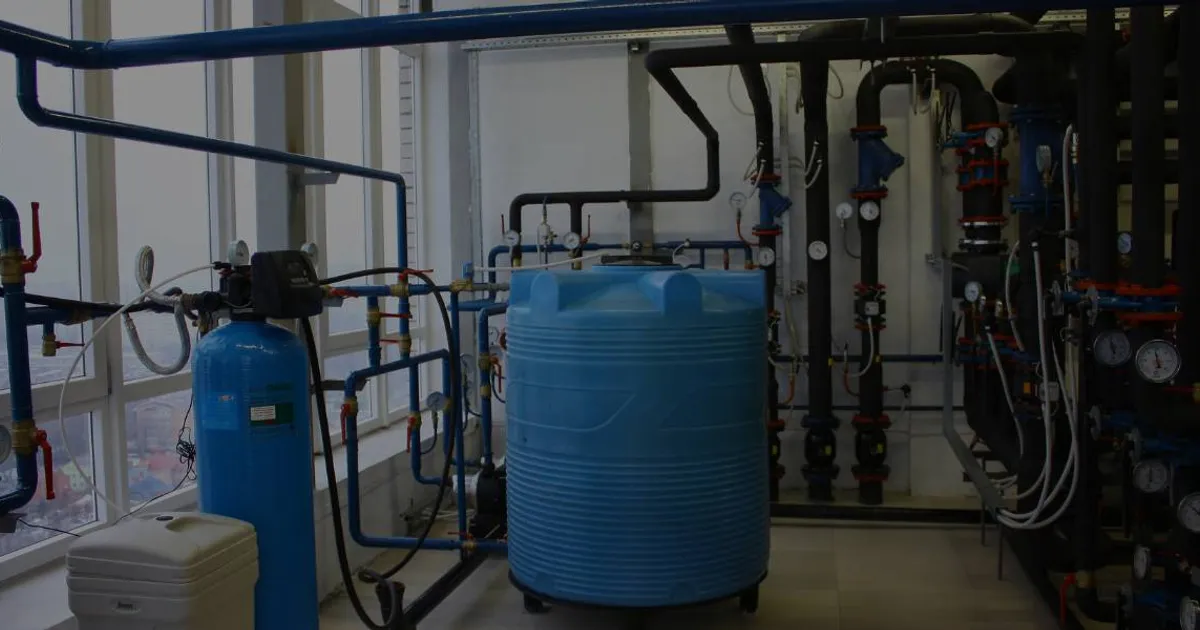
Water treatment and plumbing systems require seals that are safe for potable water, resistant to chloramine and ozone disinfection, and durable over decades of service. The wrong material can impart taste, leach chemicals, or fail prematurely due to biofilm attack. In municipal water systems, seal failure can affect thousands of consumers, making material compliance and long-term reliability critical. EPDM is the dominant elastomer for water and plumbing seals due to its excellent hot water resistance, low compression set, and compatibility with chlorine, chloramine and ozone water treatments. We supply FDA, NSF 61 and WRAS certified EPDM O-rings for taps, valves, pumps, meters, filtration housings and pipe fittings. All potable water seals are produced with peroxide curing to eliminate sulfur accelerator residues that could affect taste and odor. Potable water chemistry varies significantly between regions and affects seal material selection. Chlorine disinfection (free chlorine, hypochlorite) is the traditional method and is well-tolerated by EPDM. Chloramine disinfection (chlorine + ammonia) is increasingly used because it provides longer-lasting residual disinfection but is more aggressive toward elastomers than free chlorine. Chloramine attacks the unsaturated bonds in rubber compounds, causing surface cracking and hardening. Peroxide-cured EPDM with appropriate antioxidant packages resists chloramine significantly better than sulfur-cured grades. Ozone disinfection is used in some advanced treatment systems and is highly aggressive toward most elastomers—only EPDM, FFKM, and specialized ozone-resistant compounds are suitable. Temperature profiles in water systems vary from cold water (+4°C) to hot water distribution (+60°C) to intermittent hot water (+85°C). Solar hot water systems and commercial applications may reach +100°C. EPDM maintains excellent properties across this range, with peroxide-cured grades retaining elasticity to +150°C. NBR is generally not recommended for continuous hot water service above +60°C because it hardens and loses compression set resistance. Silicone can be used for hot water but has lower tear strength and is more susceptible to damage during assembly. Compression set is the primary life-limiting factor for water system seals. A seal with high compression set may seal at operating temperature but leaks when the system cools and thermal contraction reduces sealing force. This is particularly problematic in hot water systems that cool overnight or seasonally. Peroxide-cured EPDM with compression set below 20% after 70 hours at +150°C ensures reliable sealing through thousands of thermal cycles. Low compression set is also critical for flange seals that may not be retightened for years after installation. Common failure modes in water system seals include: compression set from thermal cycling; surface cracking from chloramine or ozone attack; swelling from water absorption (minimal in EPDM but significant in NBR); extrusion into flange gaps under water hammer pressure spikes; and biological degradation from biofilm formation. Biofilms can colonize seal surfaces in warm water systems, producing acids and enzymes that degrade some compounds. EPDM's saturated backbone resists biofilm attack better than unsaturated polymers. Our water treatment sealing program includes comprehensive certification support. We provide NSF 61 certificates with approval numbers, WRAS approval letters for the UK market, and FDA compliance declarations. All potable water compounds are tested for extraction of regulated substances including lead, volatile organic compounds, and chlorinated organics. Custom compounds can be developed for specific water chemistries, with validation testing in actual water samples from the customer's distribution system.
Application Requirements
Recommended Materials
EPDM
Drinking water taps, valves, pumps, meters and pipe fittings. The industry standard for potable water sealing, with excellent hot water resistance, low compression set, and compatibility with all common disinfection methods.
Peroxide-cured NSF 61 / WRAS
EPDM
Beverage dispensing, food processing water lines, coffee machines, and any application where taste and odor are critical. Independently tested to ensure no off-tastes or odors are imparted to water.
FDA peroxide-cured, taste-and-odor tested
Silicone (VMQ)
High-temperature water heaters, steam kettles, and applications requiring intermittent exposure to +150°C. Not recommended for continuous chlorinated water due to limited chemical resistance.
FDA platinum-cured
NBR
Non-potable industrial water systems only. Not recommended for continuous hot water or chloramine disinfection due to rapid degradation. Acceptable for cold water drainage and irrigation.
FDA compliant (limited water use)
Chloramine-Resistant EPDM
Municipal water systems using chloramine disinfection where standard EPDM may degrade within 5–10 years. Enhanced antioxidant package extends service life to 15–20 years.
Specialty antioxidant package
Design Tips
- 1.Always specify NSF 61 or WRAS grade for direct drinking water contact, not just FDA. FDA covers food contact; NSF 61 specifically tests for safe contact with drinking water including taste, odor, and health effects.
- 2.Use 70 Shore A EPDM for the best balance of sealing force and compression set resistance in water. Softer compounds extrude under pressure; harder compounds may not conform to minor surface imperfections.
- 3.Design grooves for 15–20% compression to accommodate thermal expansion in hot water service. Over-compression accelerates compression set; under-compression causes leakage during thermal contraction.
- 4.Avoid NBR in chloramine-treated municipal water — EPDM lasts significantly longer. NBR degrades rapidly in chloramine, with visible surface cracking within 1–2 years.
- 5.Use black or blue EPDM for UV-exposed outdoor water meters and irrigation valves. Carbon black provides UV protection; blue color supports visual identification.
- 6.Design flange seals with metal-to-metal backup for high-pressure water hammer conditions. Water hammer can generate pressure spikes of 5–10× normal operating pressure.
- 7.Specify peroxide-cured EPDM rather than sulfur-cured for all potable water applications. Sulfur-cured compounds can leach accelerator residues that affect taste and odor.
- 8.Account for thermal expansion in hot water systems. EPDM expands approximately 10× more than steel when heated from +20°C to +80°C.
Common Sizes
| Size | Typical Use |
|---|---|
| 1/2", 3/4", 1" BSP and NPT fitting seals | Standard flat and O-ring profiles for plumbing fittings |
| AS568-006 to AS568-050 | Small tap and valve seals |
| AS568-110 to AS568-178 | Pump and filter housing seals |
| AS568-210 to AS568-284 | Large valve and flange seals |
Frequently Asked Questions
What is the difference between FDA and NSF 61 certification?
FDA 21 CFR 177.2600 covers food contact materials and sets general requirements for rubber compounds used in contact with food and beverages. NSF 61 specifically tests materials for safe contact with drinking water, including taste and odor effects, health effects, and extraction of regulated substances. NSF 61 testing includes: exposure to chlorinated water at +23°C and +60°C; analysis of extracted substances including VOCs, SVOCs, and metals; and evaluation against maximum contaminant levels (MCLs) established by the EPA. WRAS (Water Regulations Advisory Scheme) is the UK equivalent of NSF 61, with additional requirements for material of construction and compatibility with UK water fittings regulations. For potable water applications, NSF 61 or WRAS certification is strongly preferred over FDA alone because it specifically addresses the unique requirements of drinking water contact, including long-term immersion testing and evaluation of disinfection byproduct formation.
How long do EPDM O-rings last in chlorinated water?
High-quality peroxide-cured EPDM can last 10–20 years in chlorinated municipal water. Sulfur-cured grades may degrade faster, typically lasting 5–10 years, which is why peroxide curing is standard for NSF 61 seals. Service life depends on multiple factors: chlorine/chloramine concentration (higher concentrations accelerate degradation); temperature (hot water degrades seals faster than cold); compression set (higher compression accelerates set); and groove design (over-compression reduces life). In chloramine systems, standard EPDM may last 8–12 years, while chloramine-resistant grades with enhanced antioxidants can exceed 15 years. Warning signs of end-of-life include: surface cracking or hardening; leakage during thermal cycling; dimensional swelling; and loss of elasticity. Preventive replacement at 10–15 years is recommended for critical applications to avoid unplanned failures.
Can silicone be used for drinking water seals?
FDA-grade VMQ silicone is acceptable for some drinking water applications, but EPDM is generally preferred for continuous hot water and chloramine resistance in plumbing systems. Silicone has excellent high-temperature resistance (to +230°C) and low extractables, making it suitable for water heater applications and high-temp dispensing equipment. However, silicone has lower tear strength than EPDM and is more easily damaged during installation. Silicone also has limited resistance to chlorine and chloramine compared to EPDM, with visible surface degradation after 3–5 years in chlorinated water. For cold water applications where taste and odor are paramount, platinum-cured silicone is an excellent choice due to its exceptionally low extractables. For continuous hot water with chloramine, peroxide-cured EPDM remains the industry standard. Silicone is also more expensive than EPDM, making it less attractive for cost-sensitive applications.
Do you supply WRAS-certified O-rings?
Yes. We supply WRAS-approved EPDM O-rings for the UK and EU potable water markets. WRAS approval requires: material testing per BS 6920 (effects on water quality); mechanical testing (dimensions, hardness, tensile properties); and evaluation of extraction products against UK drinking water standards. Our WRAS-approved EPDM compounds carry approval numbers that are listed on the WRAS website, allowing regulators and customers to verify approval status. Certificates and approval numbers are available on request. WRAS approval is required for any water fitting installed in the UK that comes into contact with drinking water, making it essential for OEMs selling into the UK market. We also provide KIWA approval for the Netherlands and DVGW approval for Germany, covering the major European potable water certification schemes.
What is chloramine and why does it affect seal life?
Chloramine is a disinfectant formed by combining chlorine with ammonia (monochloramine NH2Cl, dichloramine NHCl2, or trichloramine NCl3). It is increasingly used by municipal water systems because it provides longer-lasting residual disinfection than free chlorine, reducing bacterial regrowth in distribution systems. However, chloramine is more aggressive toward elastomers than free chlorine because it can attack the unsaturated bonds in rubber compounds through a combination of oxidation and substitution reactions. Chloramine causes surface cracking, hardening, and loss of elasticity, particularly in compounds with unsaturated backbones (NBR, natural rubber) or sulfur crosslinks. Peroxide-cured EPDM resists chloramine well because its saturated backbone contains no unsaturated bonds, and peroxide crosslinks are more stable than sulfur crosslinks. Our chloramine-resistant EPDM compounds include enhanced antioxidant packages that scavenge free radicals and further extend service life in chloramine-treated water.
How does water hammer affect seal selection?
Water hammer (hydraulic shock) occurs when water flow is suddenly stopped, creating pressure spikes that can be 5–10 times normal operating pressure. These spikes can extrude seals into clearance gaps, damage seal surfaces, and cause immediate failure. For water hammer-prone systems: (1) Use harder compounds (80–90 Shore A) to resist extrusion; (2) Design grooves with metal-to-metal backup to limit seal extrusion; (3) Install water hammer arrestors or slow-closing valves to reduce pressure spikes; (4) Specify EPDM with good compression set resistance to maintain sealing force after hammer events; (5) Avoid soft compounds (<60 Shore A) that extrude easily. In municipal water systems, water hammer is common during pump start/stop and valve operations. In building plumbing, it often occurs when faucets or washing machine valves close rapidly. Proper system design is the best defense—seal selection can only mitigate, not eliminate, water hammer damage.
What is the best seal material for ozone water treatment?
Ozone (O3) is one of the most aggressive disinfectants used in water treatment, and it attacks most elastomeric compounds. Only a few materials tolerate ozone: EPDM (excellent), FFKM (excellent), and specialized ozone-resistant grades of silicone and polyurethane. NBR is completely unsuitable for ozone—it cracks and fails within days. Standard FKM tolerates ozone but may degrade in wet ozone environments. EPDM is the standard for ozone contact applications including ozone generators, contact tanks, and distribution systems. Its saturated backbone is inherently ozone-resistant. For high-concentration ozone (>5 mg/L) or high-temperature ozone water, FFKM may be required. When selecting seals for ozone systems, always specify peroxide-cured EPDM (not sulfur-cured, as sulfur residues can react with ozone) and validate the compound with the actual ozone concentration and temperature.
Can you supply seals for lead-free plumbing systems?
Yes, all our NSF 61 certified EPDM compounds are compliant with lead-free plumbing requirements under the U.S. Safe Drinking Water Act (SDWA) and NSF/ANSI 372. Our compounds contain no intentionally added lead and are tested for lead extraction per NSF 61. Lead-free plumbing regulations (effective 2014 in the U.S.) require that any component in contact with drinking water contain no more than 0.25% lead by weight. This primarily affects brass and bronze fittings but also applies to seal materials that may contain lead-based fillers or curing agents. Our NSF 61 compounds are formulated with lead-free fillers and curing systems. We provide lead-free compliance declarations and can supply independent laboratory test reports confirming lead content below 0.25%. For California Proposition 65 compliance, we also provide declarations confirming no lead exposure warnings are required.
How do I select the right seal for my water treatment application?
Selecting the right seal for water treatment requires understanding: (1) Water chemistry: chlorine, chloramine, or ozone disinfection; pH; hardness; and dissolved solids. (2) Temperature: cold water (+4°C), warm water (+40°C), or hot water (+60–+85°C). (3) Pressure: static or dynamic; normal and peak (including water hammer). (4) Certification requirements: NSF 61, WRAS, KIWA, or FDA. (5) Service life: temporary or decades-long installation. (6) Compatibility: with metals (copper, brass, stainless steel) and plastics (PEX, PVC). For most potable water applications, peroxide-cured EPDM 70 Shore A with NSF 61 certification is the correct choice. For chloramine systems, specify chloramine-resistant EPDM. For ozone, specify peroxide-cured EPDM validated for ozone. For high-temperature (>+85°C), consider silicone or FFKM. For industrial non-potable water, NBR may be acceptable. Our engineering team provides application-specific recommendations based on these factors.
Do you provide material certification for municipal water system tenders?
Yes, we provide comprehensive certification packages for municipal water system tenders and approvals. Documentation includes: NSF 61 certificate with approval number and test report; WRAS approval letter with approval number; KIWA certificate (Netherlands); DVGW certificate (Germany); FDA 21 CFR 177.2600 compliance declaration; lead-free compliance declaration per NSF/ANSI 372; material test report (hardness, tensile, elongation, compression set); extractables data; batch traceability record; and Certificate of Analysis. For major municipal tenders, we can provide: reference letters from existing municipal customers; independent third-party test reports; material safety data sheets; and technical data sheets with full physical and chemical properties. Our regulatory affairs team can assist with tender documentation preparation and respond to technical queries from municipal engineers and procurement departments.
Request a custom quote
Request NSF 61 EPDM O-ring pricing and certificates