
Steam and Autoclave O-Rings
Peroxide-cured EPDM and steam-resistant FFKM for saturated steam, autoclaves and boiler seals.
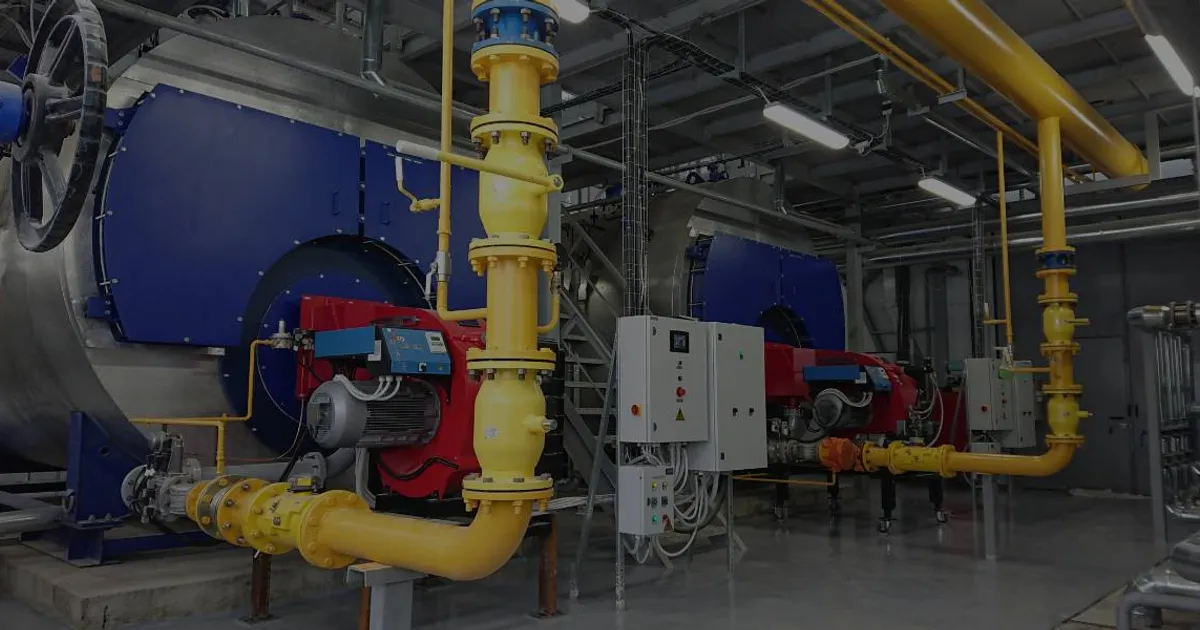
Steam sealing is one of the most challenging applications for elastomers. Saturated steam above 120°C causes rapid hydrolysis and degradation in many rubber compounds. Standard NBR hardens and cracks as the nitrile groups hydrolyze. Standard FKM swells and loses physical properties as the fluorinated backbone is attacked by water molecules at high temperature. For reliable steam service, material selection is critical and must be based on a thorough understanding of polymer chemistry and cure systems. Peroxide-cured EPDM is the industry-standard elastomer for saturated steam up to approximately 150°C. It resists hydrolysis, maintains compression set resistance, and performs reliably through thousands of autoclave and SIP cycles. The saturated hydrocarbon backbone of EPDM is inherently resistant to steam attack, and peroxide crosslinks (carbon-carbon bonds) are more thermally stable than sulfur crosslinks. For superheated steam or temperatures exceeding 150°C, steam-resistant FFKM grades are required. FFKM's fully fluorinated backbone provides the ultimate chemical resistance, though at significantly higher cost. The mechanism of steam degradation differs between elastomer types. In NBR, steam hydrolyzes the nitrile groups (C≡N) to carboxylic acids and amides, causing chain scission and embrittlement. The process accelerates above +100°C, making NBR unsuitable for steam service regardless of cure system. In FKM, water molecules penetrate the polymer and attack the vinylidene fluoride units, causing swelling, loss of tensile strength, and surface blistering. While some specialty FKM grades claim limited steam resistance, they are generally unreliable for continuous saturated steam service. EPDM's ethylene-propylene backbone contains no hydrolyzable groups, making it inherently steam-resistant. Temperature and pressure in steam systems are interdependent. Saturated steam at 1 bar (atmospheric pressure) is +100°C. At 3 bar, it is +134°C—the standard autoclave temperature. At 5 bar, it reaches +152°C. Industrial boilers may operate at 10–20 bar (+180–+212°C), where even EPDM reaches its limit. Superheated steam (steam heated above its saturation temperature) is even more aggressive because the lack of condensate means the steam molecules have higher kinetic energy and penetrate the polymer faster. For superheated steam, only FFKM or metal seals are reliable. Common failure modes in steam seals include: compression set from repeated thermal cycling (the seal loses elasticity and leaks during cooldown); surface cracking from oxidative degradation; blistering from steam penetration and localized boiling within the polymer matrix; and extrusion due to thermal expansion overfilling the groove. CIP/SIP systems present a particularly challenging environment because seals are exposed to alternating caustic, acid, and steam cycles, each attacking different aspects of the compound. Groove design for steam applications must account for thermal expansion. EPDM has a coefficient of thermal expansion approximately 10 times that of steel. At +150°C, an EPDM O-ring expands significantly more than the metal groove. If the groove fill at room temperature exceeds 75%, the thermal expansion will overfill the groove and cause extrusion. Recommended groove fill for steam applications is 65–75% at ambient temperature, leaving room for thermal expansion. Compression rates of 20–25% are typical to ensure adequate sealing force despite compression set accumulation. Our steam sealing program includes EPDM compounds specifically formulated for long-term steam resistance, with optimized peroxide cure systems and heat-resistant plasticizers. We provide steam aging data showing property retention after 1,000+ hours at +150°C. For pharmaceutical and medical applications, our FDA-grade steam EPDM meets USP Class VI and is validated for 1,000+ autoclave cycles at +134°C. For industrial boiler applications, we supply FFKM for temperatures up to +260°C in superheated steam.
Application Requirements
Recommended Materials
EPDM
Autoclaves, SIP systems, steam traps, boiler fittings, and all saturated steam applications up to +150°C. Peroxide curing provides superior heat resistance and eliminates sulfur accelerator residues. The 70 Shore A grade offers the best combination of sealing force and thermal recovery.
Peroxide-cured, 70-80 Shore A
FFKM
Superheated steam above 150°C, pharmaceutical clean steam systems, and critical seals where any failure would cause significant downtime or safety risk. FFKM provides the only reliable elastomeric sealing solution for continuous steam above +150°C.
Steam-resistant high-temp grade, 75-90 Shore A
VMQ (Silicone)
Dry steam up to 150°C in food and medical devices where low extractables and biocompatibility are required. Not recommended for repeated steam cycling or wet steam condensate exposure.
FDA platinum-cured, 70 Shore A
Steam-Resistant HNBR
Mixed steam and oil environments such as steam turbine seals, steam-oil heat exchangers, and process equipment where both steam and hydrocarbon exposure occur. Limited steam resistance compared to EPDM but superior oil compatibility.
Specialty peroxide-cured grade, 80-90 Shore A
Graphite-Filled PTFE
Static flange seals in high-pressure steam systems where elastomeric seals cannot survive. Graphite filler provides lubricity and thermal conductivity. Requires spring energization or bolt loading for sealing force.
High-purity grade for high-temperature static seals
Design Tips
- 1.Always specify peroxide-cured EPDM for steam; sulfur-cured grades fail much faster because sulfur crosslinks degrade at steam temperatures and accelerator residues can leach out.
- 2.Use 70 Shore A for the best balance of sealing and thermal recovery in steam. Softer compounds extrude more easily under steam pressure; harder compounds may not recover adequately from compression set.
- 3.Design grooves with 20-25% compression to compensate for thermal expansion and compression set accumulation over the service life.
- 4.Keep groove fill below 75% at ambient temperature to allow for thermal expansion. EPDM expands approximately 10× more than steel when heated to steam temperatures.
- 5.Avoid NBR and standard FKM in continuous saturated steam service. NBR hydrolyzes rapidly above +100°C. FKM swells and loses strength in wet steam.
- 6.Use bronze-filled PTFE backup rings for steam pressures above 10 bar to prevent extrusion into clearance gaps.
- 7.Account for condensate accumulation in horizontal grooves. Design grooves with drain paths or position seals vertically where possible to avoid water hammer damage.
- 8.Specify metal-to-metal backup for critical steam flanges. In high-pressure steam systems, consider using O-rings as secondary seals with metal gaskets as the primary pressure boundary.
Common Sizes
| Size | Typical Use |
|---|---|
| Tri-Clamp sanitary seals | 1/2" to 4" for autoclave and bioreactor ports |
| AS568-006 to AS568-050 | Small steam valve and instrument seals |
| AS568-110 to AS568-178 | Medium boiler and pump seals |
| AS568-210 to AS568-284 | Large flange and manway seals |
Frequently Asked Questions
Can EPDM handle 134°C autoclave cycles?
Yes. Peroxide-cured EPDM is the standard material for 121-134°C saturated steam autoclaves and can survive thousands of SIP cycles. In pharmaceutical and medical applications, our peroxide-cured EPDM is validated for over 1,000 autoclave cycles at +134°C with less than 25% compression set accumulation. The key to this performance is the peroxide cure system, which creates carbon-carbon crosslinks that are thermally stable to +150°C, compared to sulfur crosslinks that begin to break down above +120°C. The compound formulation must also include appropriate antioxidants and heat-stable plasticizers to prevent oxidative degradation. For validation purposes, we provide steam aging data showing hardness change, tensile strength retention, elongation retention, and compression set after 168, 500, and 1,000 hours at +134°C saturated steam.
Is FKM good for steam?
Standard FKM has limited steam resistance and is generally not recommended for continuous saturated steam above 120°C. While FKM is outstanding for hydrocarbons and chemicals, the combination of high temperature and water molecules attacks the vinylidene fluoride units in the polymer backbone, causing swelling, loss of tensile strength, and surface blistering. Some specialty FKM grades with improved steam resistance exist, but they are expensive and still inferior to peroxide-cured EPDM for saturated steam. For applications where both steam and hydrocarbons are present (such as steam turbine oil seals), specialty HNBR compounds may be a better compromise than FKM. Steam-resistant FFKM grades are a better choice for high-temperature steam above +150°C, as FFKM's fully fluorinated backbone resists hydrolysis at temperatures where FKM fails.
What is the best O-ring for a steam boiler?
For saturated steam boilers up to 150°C, peroxide-cured EPDM 70 Shore A is the best choice. It offers the optimal balance of steam resistance, compression set resistance, and cost. For superheated steam or temperatures above 150°C, specify steam-resistant FFKM. Industrial boilers operating at 10–20 bar produce steam at +180–+212°C, which is beyond the capability of any EPDM compound. In these applications, FFKM is the only elastomeric option, though metal seals or graphite gaskets may be more cost-effective for large static flanges. For boiler feedwater systems and condensate lines, EPDM remains suitable as temperatures are typically below +100°C. Always consider the boiler water treatment chemistry—amine-based corrosion inhibitors and sulfite oxygen scavengers can affect seal compounds differently than pure steam condensate.
How long do steam O-rings last?
In properly designed glands, peroxide-cured EPDM steam seals typically last 3–5 years in industrial service and over 1,000 autoclave cycles in medical/pharmaceutical equipment. Service life depends on temperature, cycle frequency, groove design, and chemical exposure. Seals in continuous steam at +150°C may last 2–3 years, while seals in intermittent steam at +120°C can exceed 5 years. In CIP/SIP systems where seals are exposed to caustic, acid, and steam cycles daily, 1–2 years is typical. Signs of end-of-life include: increased leakage during cooldown (compression set), visible surface cracking or hardening, dimensional swelling, and loss of elasticity. Preventive replacement based on cycle count or time-in-service is recommended for critical applications to avoid unplanned downtime. We provide wear-life prediction models based on operating conditions to help establish optimal replacement intervals.
Why does my steam seal leak during cool-down?
Cool-down leakage is the classic symptom of compression set. When an O-ring is compressed at high temperature for extended periods, the polymer chains rearrange and the seal takes a permanent set. At operating temperature, the remaining elasticity may be sufficient to maintain sealing. During cool-down, thermal contraction of both the seal and metal components further reduces sealing force, and the compression-set seal cannot recover enough to maintain contact. This is particularly problematic in steam systems because the temperature swing from +150°C to +20°C is large. To minimize compression set: use peroxide-cured EPDM with low compression set (<20% after 70 hours at +150°C); design for 20–25% initial compression to allow for set accumulation; and avoid over-compression, which accelerates set. If cool-down leakage persists, consider using a harder compound (80 Shore A) or a spring-energized seal design.
Can I use NBR in steam applications?
No. NBR is fundamentally unsuitable for steam service above +100°C. The nitrile groups (C≡N) in the NBR polymer backbone are hydrolyzed by water at elevated temperature, converting to carboxylic acids and amides. This hydrolysis causes chain scission, embrittlement, and cracking. Even brief exposure to steam at +120°C can cause visible hardening and cracking of NBR within hours. Below +80°C, NBR may tolerate moist environments, but it is never recommended for saturated steam. Some suppliers offer 'steam-resistant' NBR grades, but these are at best marginally better than standard NBR and far inferior to EPDM. For any steam application, specify peroxide-cured EPDM as the minimum requirement, and FFKM for temperatures above +150°C.
What groove design is best for steam O-rings?
Steam groove design must account for thermal expansion, compression set, and condensate management. Key principles: (1) Groove fill at ambient temperature should be 65–75% to allow for thermal expansion—EPDM expands ~10× more than steel when heated to steam temperature. (2) Compression rate should be 20–25% to ensure adequate sealing force after compression set accumulation. (3) Groove corners should have radii of 0.1–0.3 mm to prevent pinching and stress concentration. (4) Surface finish should be Ra 0.8–1.6 μm for static seals—slightly rougher than hydraulic seals to promote seal adhesion. (5) For horizontal installations, include drain holes or channels to prevent condensate accumulation, which can cause water hammer damage. (6) For bi-directional pressure, use backup rings on both sides or design metal-to-metal contact as the primary seal with the O-ring as secondary.
How does CIP chemistry affect steam seal life?
CIP/SIP systems expose seals to alternating caustic, acid, and steam cycles, each attacking different chemical bonds. Caustic soda (NaOH) can saponify ester groups in some plasticizers and attack silane coupling agents. Phosphoric and nitric acids can protonate basic groups and degrade certain antioxidants. Peracetic acid is a strong oxidizer that attacks unsaturated bonds and some cure systems. The thermal shock from +80°C CIP to +134°C SIP creates additional stress. Peroxide-cured EPDM is the best choice for CIP/SIP because: the saturated backbone resists oxidation; peroxide crosslinks are stable to caustic and acid; and the compound can be formulated without hydrolyzable plasticizers. However, even EPDM has limits—aggressive CIP with high-concentration peracetic acid (>0.5%) or extended caustic cycles can accelerate degradation. We recommend validating seal compounds with the actual CIP chemistry and cycle parameters before full deployment.
Do you provide validation data for pharmaceutical steam seals?
Yes, we provide comprehensive validation packages for pharmaceutical steam seals, including: USP Class VI biocompatibility certificates; steam aging data at +134°C showing hardness, tensile strength, elongation, and compression set after 168, 500, and 1,000 hours; extractables profiles using USP purified water and polar solvents; FDA 21 CFR 177.2600 compliance declarations; batch traceability records; and Certificate of Analysis for each lot. For autoclave validation, we can provide O-ring samples for inclusion in your validation runs, with pre- and post-test property measurements. All pharmaceutical-grade steam seals are produced under ISO 13485 quality management with full cleanroom packaging available. We also support customer audits of our manufacturing facility and can provide reference customer contacts for independent validation feedback.
What is the difference between saturated and superheated steam for seal selection?
Saturated steam contains water droplets at the boiling point for the given pressure—at 3 bar, saturated steam is +134°C with some liquid water present. Superheated steam is heated above its saturation temperature at the same pressure, containing no liquid water and having higher enthalpy. For seals, superheated steam is significantly more aggressive because: (1) The higher temperature accelerates all degradation reactions; (2) The absence of condensate means steam molecules have higher kinetic energy and penetrate the polymer faster; (3) The dry environment removes the lubricating effect of condensate, increasing friction. EPDM is reliable for saturated steam to +150°C but is generally not recommended for superheated steam above +160°C. For superheated steam, FFKM is required. In industrial practice, most 'steam' applications involve saturated steam, but if your system includes a superheater section, you must specify FFKM for those zones.
Request a custom quote
Request steam-grade EPDM or FFKM pricing and certificates