
Medical Device O-Ring Materials & Specifications
USP Class VI, FDA 21 CFR 177.2600, and ISO 10993 biocompatible sealing solutions for life-science equipment.
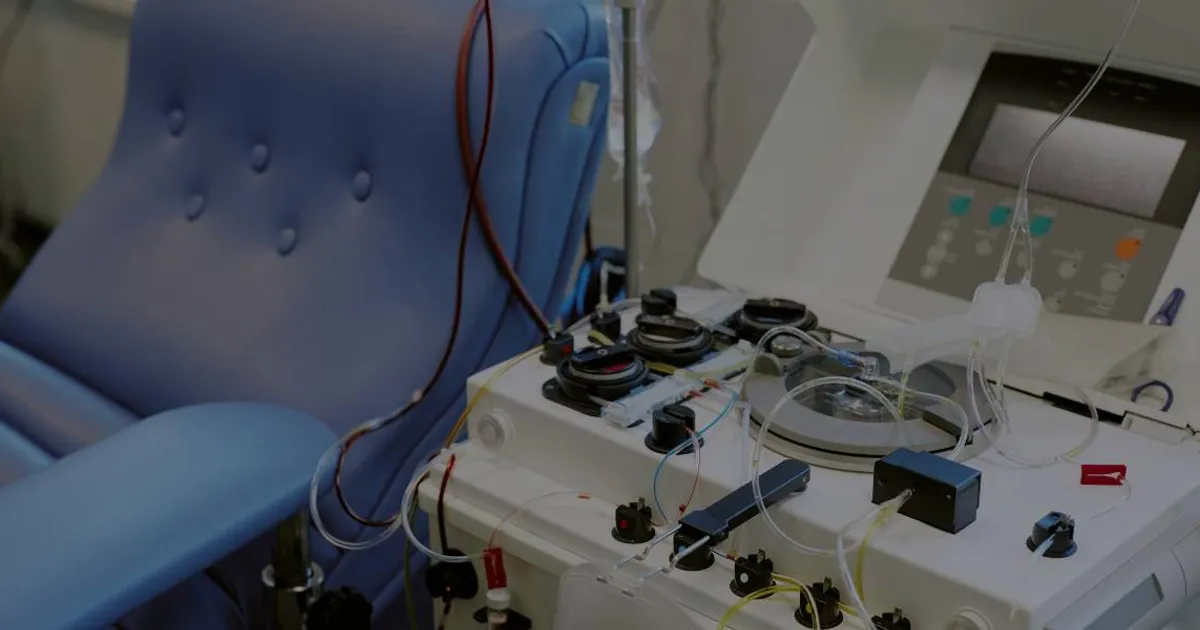
Medical device seals must satisfy strict biocompatibility, extractables, and sterilization requirements. From autoclave-compatible silicone to drug-contact EPDM, material selection is dictated by regulatory compliance and the sterilization method. The consequences of seal failure in a medical device can range from equipment malfunction to patient harm, making material validation and quality control paramount. This guide explains how to choose O-ring materials for surgical instruments, drug delivery systems, dialysis equipment, and bioreactors. We cover USP Class VI testing, platinum-cured versus peroxide-cured silicone, compatibility with gamma and steam sterilization, and when to specify an extractables profile. Understanding the full validation pathway—from material selection through biological testing to sterilization verification—is essential for bringing safe and compliant medical devices to market. Biocompatibility is the cornerstone of medical device seal selection. ISO 10993 provides a framework for biological evaluation, with specific tests depending on the nature and duration of body contact. Seals in external devices (blood pressure monitors, diagnostic equipment) require less stringent testing than implants or devices with prolonged contact (dialysis circuits, infusion pumps). USP Class VI, while widely referenced, represents a specific battery of tests (intracutaneous reactivity, systemic toxicity, implantation) that confirms basic biocompatibility but does not replace a full ISO 10993 evaluation for higher-risk devices. Sterilization methods impose different demands on elastomeric seals. Steam autoclaving (121–134°C, saturated steam) is the most common method but causes cumulative thermal degradation. Gamma irradiation (25–50 kGy) crosslinks polymers and can cause embrittlement in some compounds. Ethylene oxide (EtO) is gentler on materials but leaves toxic residues that must be aerated. Each sterilization method affects different elastomers differently: silicone tolerates all three methods well; EPDM is excellent for steam but may degrade with repeated gamma; FKM is generally EtO-compatible but has limited steam resistance. The seal material must be validated for the specific sterilization protocol, including the cumulative dose or cycle count expected over the device lifetime. Extractables and leachables are critical concerns for drug-contact and implantable devices. Extractables are chemical compounds that can be released from the seal under exaggerated laboratory conditions (aggressive solvents, elevated temperature). Leachables are the subset that actually migrates into the drug product or body fluid under normal use conditions. Platinum-cured silicone has the lowest extractables profile of any elastomer because the platinum catalyst system produces no by-products and the cure reaction goes to completion. Peroxide-cured compounds may contain residual peroxide decomposition products unless properly post-cured. We provide extractables testing data using USP purified water, isopropanol, and hexane as extraction media, with analysis by GC-MS and ICP-MS for comprehensive chemical characterization. Common failure modes in medical device seals include compression set from repeated autoclave cycles (causing leakage in precision fluid circuits), chemical degradation from drug product interaction (particularly with lipophilic drugs that extract plasticizers), particulate generation from surface degradation, and dimensional change from absorbed sterilization residuals. In drug delivery systems, even microscopic seal particles can block narrow-gauge needles or affect drug stability. In surgical instruments, seal failure can allow fluid ingress into electronic components. Our medical device sealing program includes comprehensive material qualification, from raw material incoming inspection through finished part validation. All compounds are manufactured in controlled environments with full batch traceability. We provide comprehensive documentation packages including material test reports, USP Class VI certificates, ISO 10993 biocompatibility summaries, extractables profiles, and sterilization compatibility statements. Our engineering team supports Design History File (DHF) documentation for FDA submissions and Technical Files for CE marking.
Application Requirements
Recommended Materials
Platinum-Cured VMQ
Surgical instruments, respiratory devices, bioreactors, drug delivery pumps, and implantable device assemblies where minimal extractables and maximum biocompatibility are required. Platinum curing produces no peroxide decomposition by-products and the cure reaction goes essentially to completion.
Temp: -60°C to +230°C
Lowest extractables of any elastomer. Preferred for drug-contact and implantable-device assembly. Can be sterilized by steam, gamma, and EtO.
Peroxide-Cured EPDM
Dialysis equipment, steam-sterilized valves, WFI distribution systems, and any application requiring excellent steam resistance combined with USP Class VI biocompatibility.
Temp: -50°C to +150°C
Excellent steam and hot-water resistance. Passes USP Class VI when formulated correctly with appropriate peroxide and co-agent systems. Post-curing is essential to remove residues.
FFKM
High-temperature sterilization, aggressive cleaning agents, and CIP/SIP processes with strong acids and caustics in pharmaceutical manufacturing equipment.
Temp: -15°C to +260°C
Ultimate chemical resistance for aggressive sterilants and cleaning agents. USP Class VI grades available. Higher cost justified only in extreme chemical or thermal conditions.
FVMQ (Fluorosilicone)
Anesthesia equipment, respiratory circuits, and devices requiring both fuel/oil resistance and low-temperature flexibility for cold-climate deployment or cold-chain storage.
Temp: -65°C to +175°C
Combines silicone's low extractables with fluorocarbon fuel resistance. Useful for devices that contact both body fluids and lubricants or cleaning solvents.
Custom Medical-Grade Compounds
Specialized applications requiring unique combinations of properties, such as radiopaque fillers for X-ray visibility, antimicrobial additives for infection control, or specific drug compatibility profiles.
Temp: Varies by formulation
Custom compounds developed with full biocompatibility validation. Development process includes extractables profiling, stability testing, and biological evaluation per ISO 10993.
Design Tips
- 1.Specify platinum-cured silicone for any seal that contacts bodily fluids or drug products to minimize extractables. Platinum curing produces no volatile by-products, whereas peroxide curing can leave decomposition products that may leach into sensitive drug formulations.
- 2.Ensure the compound has been tested to the full USP Class VI protocol (intracutaneous, systemic, implantation) not just one test. Some suppliers claim 'USP Class VI compliant' based on a single cytotoxicity test, which does not meet the full standard.
- 3.Account for compression set after repeated steam sterilization cycles. Platinum-cured VMQ generally outperforms peroxide-cured grades in autoclave cycling, maintaining sealing force through 500+ cycles at 134°C.
- 4.Keep O-ring grooves free of dead volumes where fluid can stagnate and harbor bacterial growth. Use hygienic groove designs with smooth radii and minimal crevices that are difficult to clean and sterilize.
- 5.Design for 20–25% compression in static medical seals to ensure reliable sealing despite minor dimensional variations from thermal cycling and sterilization-induced shrinkage.
- 6.Specify lot-controlled, single-source compounds for implantable and critical devices. Changing compound suppliers mid-production can require extensive revalidation, including new biological testing.
- 7.Consider the drug product formulation when selecting seal materials. Lipophilic drugs can extract plasticizers and oligomers from seals, potentially affecting drug stability and requiring extractables studies per USP 1664.
- 8.Validate seal performance after the maximum expected number of sterilization cycles, not just after one or two. Cumulative thermal degradation and gamma crosslinking can significantly change material properties over the device lifetime.
Common Sizes
| Size | Typical Use |
|---|---|
| AS568-001 to -010 | Small-diameter precision medical fittings, drug delivery pumps, and catheter connections |
| ISO 3601 1.80×1.80 to 10.00×1.80 | Metric medical devices and European OEM equipment |
| Custom micro sizes | Miniature drug-delivery pumps, insulin pens, and microfluidic devices |
Frequently Asked Questions
What is the difference between platinum-cured and peroxide-cured silicone?
Platinum curing produces lower extractables and better clarity, making it preferred for medical and pharmaceutical applications. The platinum catalyst system (typically a platinum-vinyl complex) catalyzes an addition reaction between vinyl groups and Si-H groups, producing no by-products and going essentially to completion. This means platinum-cured silicone has virtually no residual catalyst, no peroxide decomposition products, and minimal low-molecular-weight siloxane oligomers. Peroxide curing uses organic peroxides (typically 2,4-dichlorobenzoyl peroxide or dicumyl peroxide) that decompose to form free radicals, which abstract hydrogen and form carbon-carbon crosslinks. Peroxide decomposition leaves residues (benzoic acid derivatives, acetophenone, cumyl alcohol) that can migrate into drug products or body fluids unless removed by extended post-curing. Peroxide curing is more economical but requires thorough post-curing (typically 4–8 hours at +200°C) to reduce extractables to acceptable levels for medical use.
Can EPDM be used in medical devices?
Yes, peroxide-cured EPDM that passes USP Class VI and FDA 21 CFR 177.2600 is commonly used in dialysis and steam-sterilized equipment. EPDM offers excellent steam resistance, making it ideal for autoclave-sterilized devices and WFI (water for injection) systems. The key requirements for medical EPDM are: peroxide curing (not sulfur curing) to avoid accelerator residues; careful selection of plasticizers and fillers to minimize extractables; and comprehensive biological testing per ISO 10993 or USP Class VI. EPDM is not suitable for applications involving oil or lipid contact, as it will swell and degrade. For drug-contact applications, platinum-cured silicone is generally preferred over EPDM due to silicone's lower extractables profile and broader regulatory acceptance for implantable and prolonged-contact devices.
How many autoclave cycles can a silicone O-ring survive?
High-quality platinum-cured VMQ can withstand 500+ steam autoclave cycles at 134°C with minimal compression set. The actual number depends on the specific compound formulation, post-cure conditions, and groove design. After 500 cycles, a well-formulated platinum-cured silicone typically retains 80–85% of its original sealing force, compared to 60–70% for peroxide-cured grades. For devices requiring more than 500 cycles, FFKM may be considered, as some steam-resistant grades can exceed 1,000 cycles. However, FFKM is significantly more expensive and may not be justified for disposable devices. The best practice is to validate the specific compound in the actual device under worst-case sterilization conditions, as groove over-compression or chemical exposure can accelerate degradation independently of the sterilization cycles.
What extractables testing do you provide for medical device seals?
We provide comprehensive extractables profiling in accordance with USP 1663 and ISO 10993-17. Our standard extractables package includes: extraction in USP purified water (aqueous extractables for polar compounds), isopropanol (semi-polar extractables), and hexane (non-polar extractables) at +50°C for 72 hours. Extracts are analyzed by GC-MS for organic compounds, ICP-MS for elemental impurities, and FTIR for polymer fragments. Results are reported with identification and semi-quantitative concentration for each detected compound. For drug-contact applications, we can perform customized extractions using the actual drug product or a simulant, followed by analysis for specific compounds of concern. All extractables studies include a toxicological risk assessment per ISO 10993-17 to evaluate the safety significance of detected compounds.
How does gamma sterilization affect O-ring materials?
Gamma irradiation (typically 25–50 kGy) causes ionization in polymer chains, leading to both crosslinking and chain scission. The dominant effect depends on the polymer structure. Silicone (VMQ) generally tolerates gamma well, with minimal property change at medical sterilization doses. EPDM can experience some embrittlement and reduced elongation at higher doses due to crosslinking. NBR is the least gamma-stable elastomer, suffering significant degradation, embrittlement, and odor formation. FKM and FFKM tolerate gamma sterilization well, with only minor changes to physical properties. The cumulative effect of multiple sterilization cycles must be considered—while a single 25 kGy dose may cause minimal change, five cycles (125 kGy total) can produce noticeable degradation in less stable compounds. We provide gamma stability data for all medical-grade compounds, including dose-response curves for key properties.
What documentation do you provide for FDA submissions?
We provide a comprehensive documentation package to support FDA 510(k) submissions, PMA applications, and Design History Files (DHF). This includes: Material Test Report with full physical property data (hardness, tensile strength, elongation, compression set); USP Class VI test report with all three biological tests; ISO 10993 biocompatibility summary; Extractables profile with toxicological risk assessment; Sterilization compatibility statement for steam, gamma, and EtO; Certificate of Analysis for each batch; REACH and RoHS compliance declarations; and Drug Master File (DMF) reference letters where available. All documents are provided in FDA-ready format with appropriate signatures and traceability. We can also support direct communication with FDA reviewers to address technical questions about material properties.
Can you produce O-rings in a cleanroom environment?
Yes, we produce medical-grade O-rings in ISO Class 7 (10,000) and ISO Class 8 (100,000) cleanroom environments for critical applications. Cleanroom production includes: incoming material inspection and cleaning in the cleanroom; molding in enclosed, positive-pressure machines; post-curing in dedicated clean ovens; and packaging in double-bagged, nitrogen-purged pouches within the cleanroom. Particulate cleaning using USP purified water and cleanroom-grade detergents is available for applications requiring ultra-low particle counts. Each cleanroom batch is tested for particulate contamination using liquid particle counters, with results reported on the certificate of analysis. For the most critical applications (implantable devices, ophthalmic products), we can arrange production in ISO Class 5 (100) environments through certified partners.
What is the difference between USP Class VI and ISO 10993?
USP Class VI is a specific set of biological tests defined in the United States Pharmacopeia: intracutaneous reactivity (skin irritation), systemic toxicity (mouse injection), and implantation (rabbit muscle). It confirms that a material does not produce significant biological reactivity under standardized test conditions. ISO 10993 is a broader international standard with multiple parts covering the full biological evaluation of medical devices. The appropriate ISO 10993 tests depend on the device category: duration of contact (limited, prolonged, permanent) and nature of contact (surface, externally communicating, implant). For a simple external device, cytotoxicity (ISO 10993-5) and sensitization (ISO 10993-10) may suffice. For an implantable device, a full battery including genotoxicity, carcinogenicity, and reproductive toxicity may be required. USP Class VI is often used as a screening test, while ISO 10993 provides the comprehensive evaluation framework required for regulatory submissions.
How do I select between silicone and EPDM for my medical device?
The choice depends on sterilization method, chemical exposure, and biocompatibility requirements. Platinum-cured silicone is preferred for: drug-contact applications (lowest extractables), implantable devices (best long-term biocompatibility), devices requiring gamma sterilization (most stable), and applications needing wide temperature range (-60°C to +230°C). EPDM is preferred for: steam-sterilized equipment (best steam resistance), WFI systems (excellent hot water resistance), applications requiring higher mechanical strength and tear resistance, and cost-sensitive disposable devices. Silicone has lower tear strength and is more prone to damage during assembly. EPDM cannot be used with oils, lipids, or hydrocarbon solvents. For many applications, silicone is the safer default choice unless steam resistance or mechanical durability is the primary concern.
Do you offer custom color coding for medical device seals?
Yes, we offer custom color coding for medical device O-rings to support assembly verification, size identification, and material traceability. Standard colors include blue, red, green, yellow, and white, with custom Pantone matching available for volume orders. Colorants for medical applications are selected to be non-toxic, non-migrating, and compatible with the base polymer. For implantable devices, we recommend avoiding carbon black (which can interfere with MRI imaging) and selecting inorganic pigment systems that have established biocompatibility profiles. Color coding is particularly valuable for devices with multiple seal sizes or materials in close proximity, as it allows visual verification of correct assembly during production and simplifies field service. We can also incorporate laser-markable additives for permanent part identification.
Medical seal inquiry
We supply USP Class VI platinum-cured silicone and FDA EPDM O-rings with lot traceability and certificates.