
Food & Beverage Processing O-Ring Guide
FDA-compliant EPDM and silicone seals for CIP/SIP, pasteurization, and hygienic clamp fittings in breweries, dairies, and beverage plants.
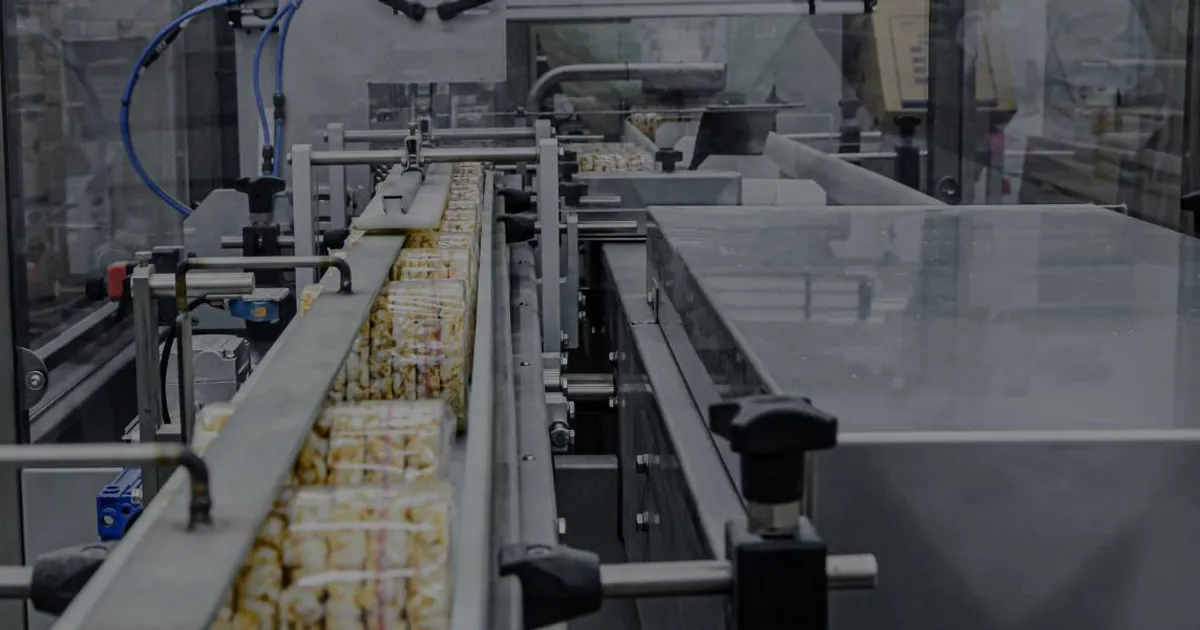
Food and beverage processing demands seals that resist hot water, steam, acids, caustics, and peracetic acid—without imparting taste or odor. Regulatory compliance (FDA 21 CFR 177.2600, EU 1935/2004) and cleanability are non-negotiable. These seals operate in an environment where failure does not just mean downtime—it can contaminate entire production batches, trigger regulatory action, and damage brand reputation. This guide covers material selection for tri-clamp fittings, pump housings, valve seats, and dispensing equipment. We explain why peroxide-cured EPDM outperforms sulfur-cured grades in CIP cycling, how to select the right hardness for tri-clamp seals, and best practices for traceability in food-contact applications. Understanding the interaction between cleaning chemistry, temperature cycling, and elastomer structure is essential for specifying seals that last years rather than months in aggressive washdown environments. The cleaning regimen in modern food plants is relentless. CIP cycles may run 2–4 times daily, exposing seals to alternating caustic soda (1–2% NaOH at +70°C), phosphoric or nitric acid (0.5–1.5% at +60°C), and peracetic acid sanitizers. Each cleaning agent attacks different chemical bonds in the elastomer. Caustics can hydrolyze ester groups, acids can protonate and degrade certain cure systems, and oxidizers like peracetic acid aggressively attack unsaturated bonds. Peroxide-cured EPDM is preferred because peroxide crosslinks (carbon-carbon bonds) are more thermally and chemically stable than sulfur crosslinks, and peroxide curing leaves no accelerator residues that could leach into product or affect taste. Temperature profiles in food processing vary dramatically. Cold product lines may operate at +4°C, while pasteurization requires +72°C for 15 seconds (HTST) or +135°C for several seconds (UHT). SIP (steam-in-place) sterilization exposes seals to saturated steam at +121°C to +134°C for 15–30 minutes. Not all elastomers tolerate this range. NBR hardens and cracks in steam above +100°C. Standard FKM swells in hot water and steam. Only EPDM, VMQ, and FFKM offer reliable performance across the full spectrum of food processing temperatures when properly formulated. Common failure modes in food processing seals include: compression set from repeated steam exposure, causing loss of sealing force and leakage during cool-down; chemical degradation from CIP agents attacking the cure system or polymer backbone; extrusion into flange gaps due to over-compression of soft compounds; and surface cracking from ozone exposure in washdown areas. Taste and odor contamination, while not a structural failure, is equally critical—a seal that leaches sulfur compounds or plasticizers can render an entire batch of beer or dairy product unmarketable. Material selection must consider not just chemical resistance but also physical property retention. A seal that swells excessively during CIP may overfill the groove and extrude when the system is pressurized. A seal with poor compression set may seal at +80°C during operation but leak when the system cools to +20°C. We specify EPDM compounds with compression set below 20% after 70 hours at +150°C, ensuring reliable sealing through thousands of thermal cycles. Our food-grade compounds are also tested for migration compliance under EU 10/2011 for plastic materials in food contact. Our food-grade sealing solutions go beyond material supply. We provide hygienic design consultation, including groove geometry optimization for tri-clamp fittings, recommendations for metal-detectable and X-ray detectable compounds for foreign body control, and support for HACCP and FSSC 22000 documentation requirements. All food-contact seals are supplied with batch certificates, material safety data sheets, and declarations of compliance to FDA and EU regulations.
Application Requirements
Recommended Materials
Peroxide-Cured EPDM
Brewery, dairy, and beverage CIP systems. The industry standard for repeated hot water, steam, and caustic exposure. Peroxide curing eliminates sulfur accelerator residues that cause taste contamination in beer and wine. Ideal for tri-clamp fittings, pump seals, and valve seats in all food-contact applications.
Temp: -50°C to +150°C
Best overall choice for hot water, steam, and CIP chemicals. Passes independent taste-and-odor panels. Available in metal-detectable grades for foreign body control.
Platinum-Cured VMQ
High-temp baking ovens, coffee machines, steam kettles, and any application requiring intermittent exposure above +150°C. Platinum curing produces the lowest extractables of any silicone curing system, making it ideal for delicate flavor applications.
Temp: -60°C to +230°C
Excellent for intermittent high heat and low-temperature flexibility. Must be specifically formulated for food contact with appropriate platinum catalyst systems.
White FKM
Flavor-intensive applications, citrus oil processing, essential oil extraction, and high-acid environments where aromatic oils would degrade EPDM. White color provides high visibility for contamination detection.
Temp: -20°C to +200°C
Resists aromatic flavor oils, citrus terpenes, and aggressive cleaning agents. Not recommended for repeated steam exposure unless specifically formulated with steam-resistant cure system.
Metal-Detectable EPDM
High-care food production lines where foreign body contamination risk must be minimized. Used in dairy, baby food, and ready-to-eat meal production where metal detection systems are employed for quality assurance.
Temp: -40°C to +150°C
Contains ferromagnetic additives that trigger standard food industry metal detectors and X-ray inspection systems. Physical properties match standard food-grade EPDM.
Steam-Resistant FFKM
Ultra-high temperature SIP cycles above +150°C, aggressive solvent CIP in pharmaceutical-grade food equipment, and critical seals where any failure is unacceptable.
Temp: -15°C to +260°C
Ultimate chemical and thermal resistance for the most demanding hygienic applications. Cost is significantly higher than EPDM, justified only in extreme temperature or chemical exposure.
Design Tips
- 1.Specify peroxide-cured EPDM rather than sulfur-cured for all CIP/SIP applications to avoid accelerator residue and taste contamination. Sulfur-cured compounds can leach thiurams and mercaptobenzothiazole that affect flavor in beer and wine.
- 2.Use 70 Shore A for tri-clamp seals to ensure sufficient conformability against stainless steel flanges without over-compression. Softer compounds (50–60 Shore A) may extrude under clamp pressure; harder compounds (80+ Shore A) may not conform to minor flange imperfections.
- 3.Select white or blue-colored compounds for visual detection during HACCP and foreign-body inspection programs. Bright colors make it easier to spot seal fragments during visual inspection and support root-cause analysis if contamination occurs.
- 4.Document lot numbers and certificates for every batch of food-contact seals to support supplier audits and traceability requirements under BRC, IFS, and FSSC 22000 standards.
- 5.Design tri-clamp grooves for 20–25% compression to accommodate thermal expansion during SIP while maintaining sealing force during cool-down. Over-compression causes premature compression set; under-compression allows leakage during thermal cycling.
- 6.Avoid dead volumes in seal grooves where product can stagnate and support bacterial growth. Use hygienic groove designs with smooth radii and no sharp corners that are difficult to clean.
- 7.Specify metal-detectable EPDM for high-care production lines where foreign body control is critical. These compounds contain ferromagnetic fillers that trigger standard food industry metal detectors if seal fragments enter the product stream.
- 8.Test new seal compounds with your actual CIP chemistry before full-scale deployment. Different caustic strengths, acid types, and sanitizer concentrations can have unexpectedly different effects on elastomer properties.
Common Sizes
| Size | Typical Use |
|---|---|
| 1/2" – 4" tri-clamp (custom) | Hygienic clamp fittings in dairies, breweries, and beverage plants |
| AS568-110 to -125 | Pump and valve seals in food processing equipment |
| ISO 3601 10×2.4 to 50×3.1 | Metric beverage dispensing and filler nozzles |
Frequently Asked Questions
Is EPDM safe for food contact?
Yes, peroxide-cured FDA EPDM is widely used in food and beverage equipment. It resists steam, hot water, and common CIP chemicals without imparting taste or odor. The key is selecting the correct curing system: peroxide-cured EPDM is preferred over sulfur-cured because peroxide crosslinks (carbon-carbon bonds) are more thermally stable and do not leave accelerator residues that can migrate into food products. Our food-grade EPDM compounds are formulated specifically to meet FDA 21 CFR 177.2600 requirements for repeated food contact, with extractables levels well below regulatory limits. All batches are tested for compliance and supplied with certificates of conformance.
What is the best O-ring material for brewery equipment?
Peroxide-cured FDA EPDM is the standard for brewery CIP systems. It withstands hot caustic and acid cycles and passes independent taste-and-odor testing. Brewery CIP typically involves alternating caustic soda (1–2% NaOH at +60–70°C), phosphoric or nitric acid (0.5–1% at +60°C), and peracetic acid sanitizers. Peroxide-cured EPDM handles all of these chemistries while maintaining its physical properties through thousands of cycles. The peroxide cure system is critical because sulfur-cured compounds can leach thiuram and mercaptobenzothiazole accelerators that create off-flavors in beer, particularly detectable in lighter beer styles like pilsners and wheat beers. For flavor-intensive applications involving citrus oils or hop extracts, white FKM may be preferred for its superior resistance to aromatic oils.
Can silicone O-rings be used in food processing?
Yes, platinum-cured VMQ that meets FDA 21 CFR 177.2600 is excellent for high-temperature food applications such as baking ovens and coffee machines. Platinum-cured silicone has lower extractables than peroxide-cured silicone, making it the preferred choice for direct food contact. Silicone's excellent low-temperature flexibility (-60°C) also makes it suitable for freezer and cold-storage applications. However, silicone has poor tear strength compared to EPDM and is not recommended for dynamic applications or where mechanical abrasion occurs. It also has limited resistance to steam above +130°C unless specifically formulated. For general CIP/SIP applications, EPDM remains the better choice due to its superior chemical resistance and mechanical durability.
How long do food-grade O-rings last in CIP/SIP service?
In properly designed applications with appropriate material selection, peroxide-cured EPDM O-rings typically last 2–5 years in food processing equipment, surviving thousands of CIP/SIP cycles. Actual service life depends on cleaning frequency, chemical concentration, temperature, and groove design. Seals in daily CIP systems with aggressive peracetic acid sanitizers may require replacement every 12–18 months. Seals in weekly CIP systems can last 5+ years. Key indicators that replacement is needed include: visible surface cracking or hardening, leakage during cool-down (indicating compression set), swelling or distortion, and any taste or odor issues in the product. Implementing a preventive replacement schedule based on cycle count is the best practice to avoid unplanned downtime.
What is the difference between FDA and 3-A Sanitary certification?
FDA 21 CFR 177.2600 is the U.S. regulation covering rubber articles intended for repeated use in food contact. It specifies acceptable ingredients and sets limits on extractables. 3-A Sanitary Standards is a voluntary standard developed jointly by equipment manufacturers, processors, and regulatory sanitarians specifically for dairy and food processing equipment. 3-A goes beyond FDA by including requirements for material of construction, surface finish, and design for cleanability. For dairy applications in the U.S., 3-A certification is often required by processors and inspectors. EU 1935/2004 and EU 10/2011 are the European equivalents, with additional requirements for overall migration limits and specific migration limits for individual substances. We supply seals compliant with all of these standards with appropriate documentation.
Can you supply metal-detectable O-rings for food processing?
Yes, we supply metal-detectable EPDM O-rings specifically formulated for high-care food production environments. These compounds contain ferromagnetic additives that trigger standard food industry metal detectors and X-ray inspection systems if seal fragments inadvertently enter the product stream. Metal-detectable seals are widely used in dairy, baby food, ready-to-eat meals, and any application where foreign body control is critical under HACCP or FSSC 22000 programs. The ferromagnetic fillers are compounded at levels that ensure detection of fragments as small as 2–3 mm while maintaining the physical properties and food-contact compliance of standard EPDM. These seals are available in blue color for additional visual detection capability.
What causes taste and odor contamination from O-rings?
Taste and odor contamination occurs when volatile or semi-volatile compounds migrate from the seal into the food or beverage product. The primary culprits are: (1) sulfur curing system residues (thiurams, mercaptobenzothiazole, sulfur itself) from sulfur-cured compounds; (2) plasticizers and processing aids that are not fully bound to the polymer matrix; (3) low-molecular-weight oligomers and uncured polymer fractions; (4) antioxidant and antiozonant additives that bloom to the surface. Peroxide-cured EPDM eliminates sulfur residues entirely. Platinum-cured silicone has the lowest extractables of any elastomer. We also offer 'taste-and-odor tested' compounds that have passed independent sensory panels with trained tasters evaluating water and beer samples after extended seal contact.
How do I select the right hardness for food processing O-rings?
Hardness selection depends on the application type, surface finish, and pressure. For tri-clamp fittings with polished stainless steel flanges (Ra 0.8 μm or better), 70 Shore A is the standard choice—it provides enough conformability to seal against minor surface imperfections without over-compressing. For high-pressure pump seals or rougher cast surfaces, 80–90 Shore A may be needed to resist extrusion. For low-pressure static seals on very smooth surfaces (Ra 0.4 μm), 60 Shore A can provide excellent sealing with minimal compression force. Dynamic applications (piston pumps, rotary valves) generally require harder compounds (80–90 Shore A) to resist abrasion. The key is matching the seal hardness to the groove design: softer seals need tighter grooves; harder seals need more compression to achieve the same sealing stress.
Are your food-grade O-rings suitable for organic and natural food production?
Yes, our food-grade EPDM and silicone compounds are suitable for organic and natural food production. These applications often have additional requirements: no animal-derived ingredients (our compounds are vegan-suitable), compliance with organic processing standards (USDA NOP, EU Organic Regulation), and absence of certain synthetic additives. We can provide material declarations confirming the absence of specific substances upon request. For organic certification bodies that require detailed ingredient disclosure, we supply full formulation transparency letters. Our platinum-cured silicone is particularly popular in organic baby food and premium natural product lines due to its exceptionally low extractables profile.
What documentation do you provide with food-grade O-rings?
Every order of food-grade O-rings is supplied with a comprehensive documentation package including: Certificate of Conformance stating compliance with FDA 21 CFR 177.2600 and/or EU 1935/2004; Material Safety Data Sheet (SDS); batch traceability record with lot number; Declaration of Compliance to EU 10/2011 (for European markets); and 3-A Sanitary Standard certificate (where applicable). On request, we can also provide: independent third-party migration test reports; taste-and-odor test certificates; metal detection validation data; and allergen-free declarations. All documentation is available in English, and selected certificates can be provided in German, French, Spanish, and Chinese.
Food-grade seal quote
We supply FDA and EU-compliant EPDM and silicone O-rings for food and beverage processing. Certificates included.